Whale or Dolphin: 15 Questions to Test Your Cetacean Knowledge
Fifteen questions on where the line between whales and dolphins actually falls, with answers, a scoring guide and a family-by-family breakdown of the cetaceans.

Whale news, species profiles, watching guides, conservation, and the best whale gifts. Eighty-plus cetacean species, one site that loves them all.
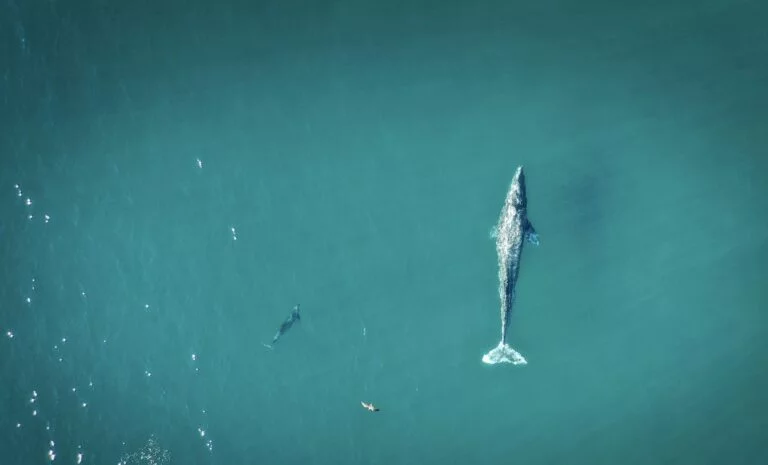
Fifteen questions on where the line between whales and dolphins actually falls, with answers, a scoring guide and a family-by-family breakdown of the cetaceans.
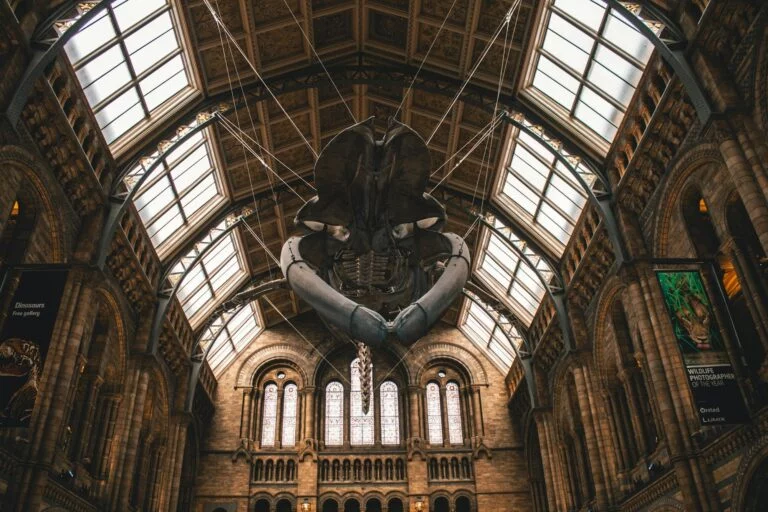
Twelve questions on how whales went from four-legged land mammals to ocean giants, with answers, a plain-English guide to the key fossils from Pakicetus to Basilosaurus, and a note on which parts of the story are still disputed.
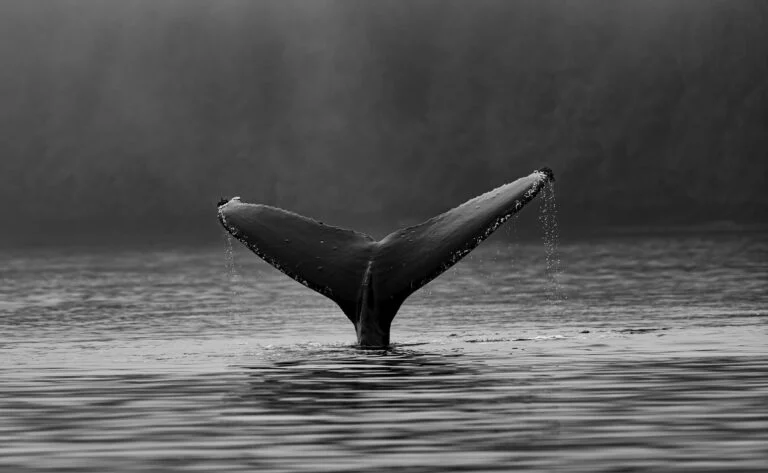
Twenty-five whale facts for kids, every one traced to a named study or conservation body: the blue whale heart that slows to two beats a minute on a dive, the beaked whale that stayed under for 3 hours 42 minutes, and why the smallest whale is not the animal most lists name.

The world’s most prolific mass-stranding cetacean: matrilineal pods, the highest neocortical neuron count of any mammal counted, and the Faroese grindadrap.
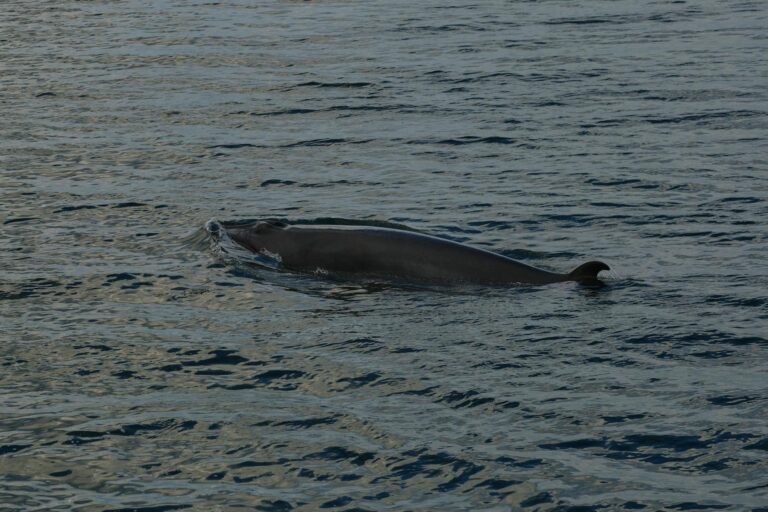
The first Mesoplodon ever described, still known mostly from strandings: range, deep diving, acoustic identification, and the East Lothian sonar case.
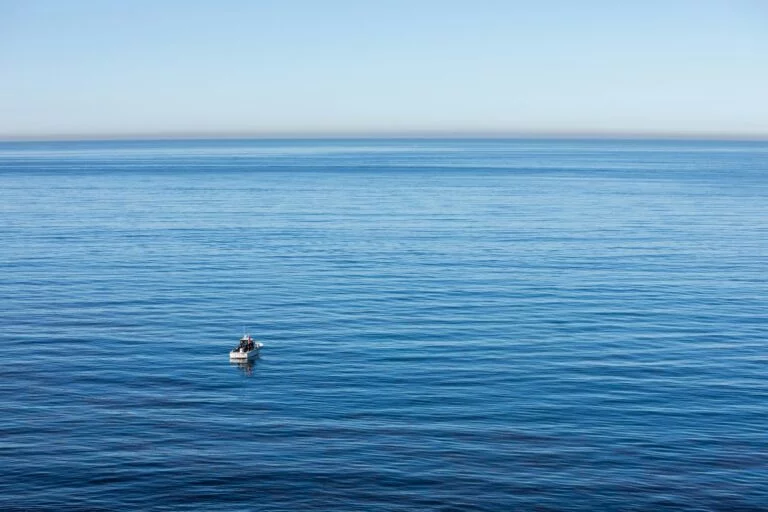
The smallest and least understood baleen whale, and not a right whale at all: a living member of the otherwise extinct Cetotheriidae, known almost entirely from strandings.
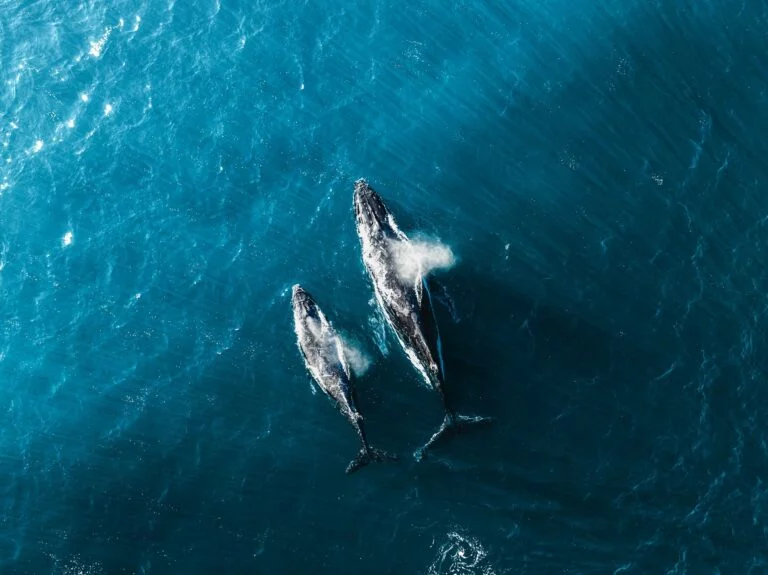
The largest animal known to have existed, cut from around 239,000 to roughly 360 by industrial whaling. Anatomy, krill, the Z-call, and what the survey and photo-identification numbers actually say about the recovery.

The 2026 picture for the North Atlantic right whale: an estimated 382 animals in 2025, down from a revised 389, a 24-calf season, the best for seventeen years, and the vessel speed rule NOAA withdrew in January 2025 rather than finalised.

Why a dead whale fills with gas and sometimes bursts, and five documented cases, from the Oregon dynamite blast of 1970 to a viral clip off California.

Shipping, airguns, sonar and pile driving have changed the medium whales live in. Which species suffer most, what the evidence shows, and which mitigations actually work.
We send one careful whale roundup per month. Conservation news, species profiles, the occasional reader question we could not resist answering.
We never share your email. One-click unsubscribe.