How Baleen Whales Feed: Gulps, Skims and Bubble Nets
Baleen whales have no teeth. They use keratin plates as a sieve, and each species has its own way to fill it.

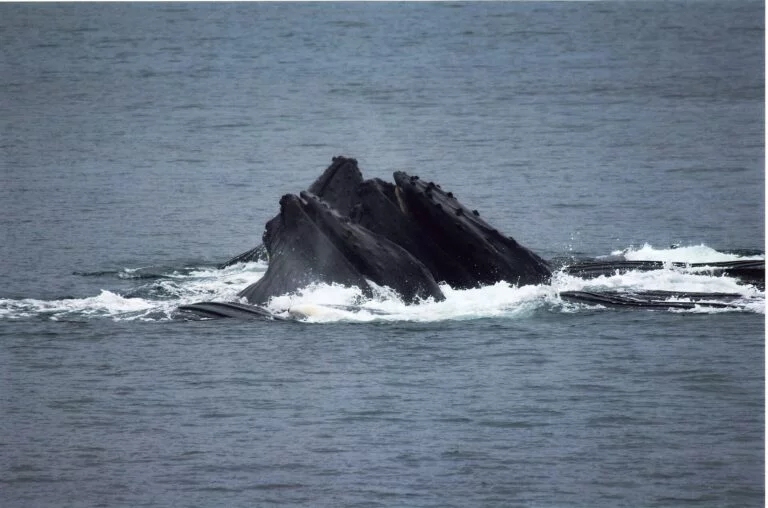
Baleen whales have no teeth. They use keratin plates as a sieve, and each species has its own way to fill it.
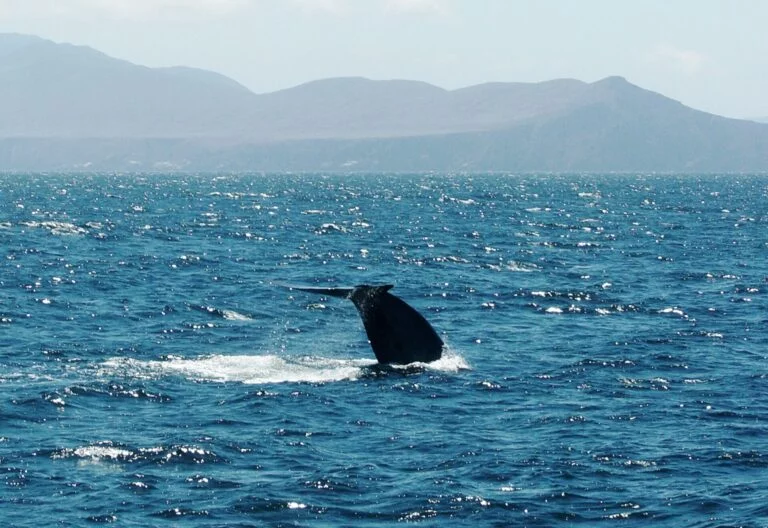
Blubber keeps a whale warm, feeds it through long fasts and helps it float. Here is how each job works, and why thickness is not the whole story.
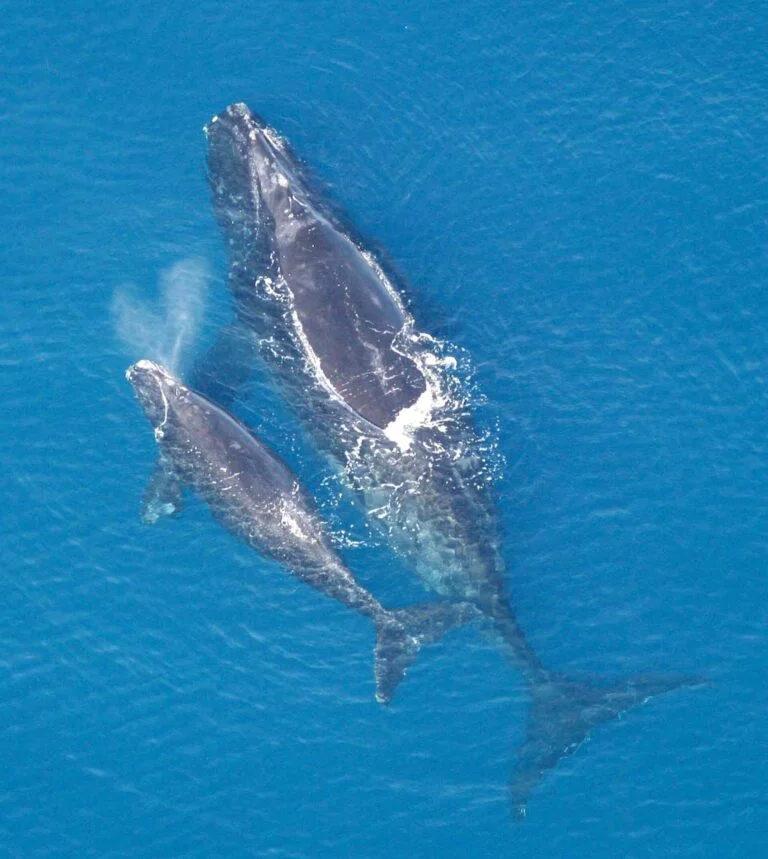
Right whales calve off Florida’s northeast coast each winter, close enough to watch from the beach. Where they have been seen, when to look and who to call.
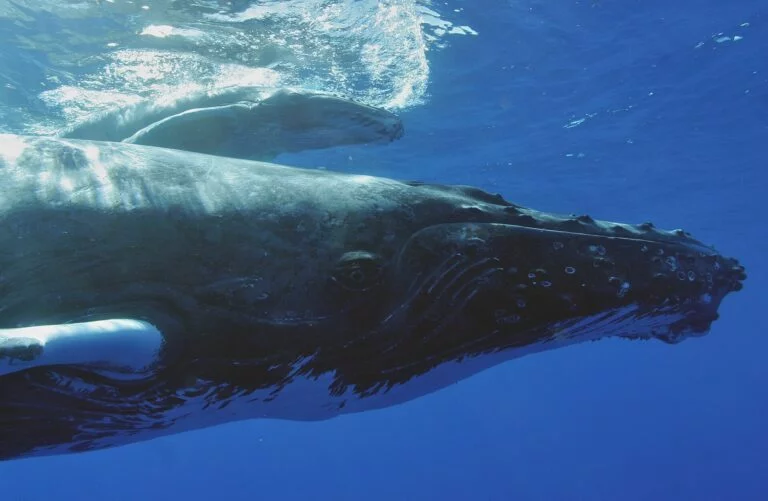
Whales have no nipples. Here is how a calf drinks underwater, why the milk is so fatty, and what nursing costs a mother.
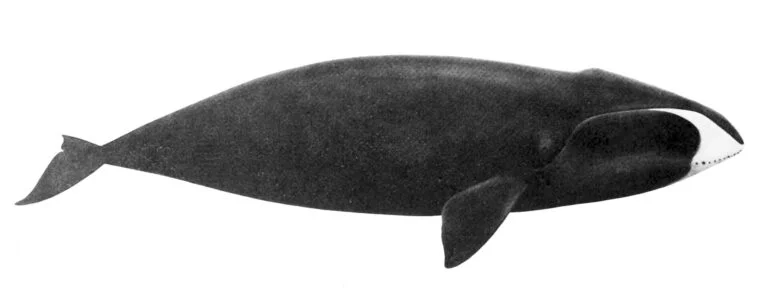
Harpoon tips, earwax layers and eye chemistry explain how scientists know bowheads can pass 200 years, and where the evidence is thin.
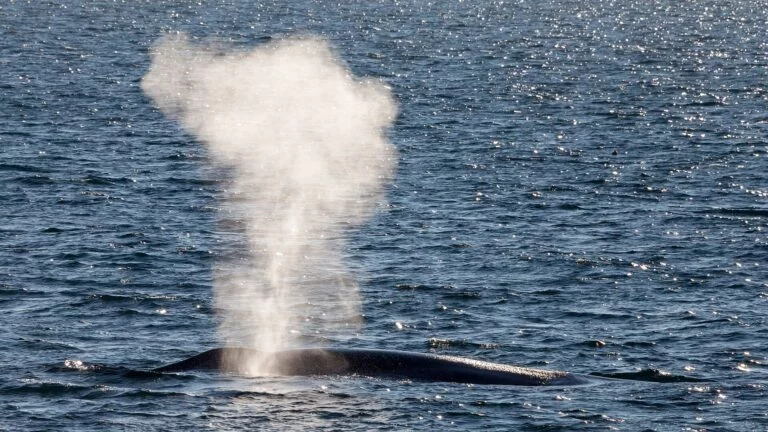
Where a whale’s blowhole sits, what the blow really is, and what tags and drones show about how often whales breathe.

A sunken whale becomes a feast and then a home for deep sea life. Here is how a whale fall works, stage by stage, and what scientists still do not know.
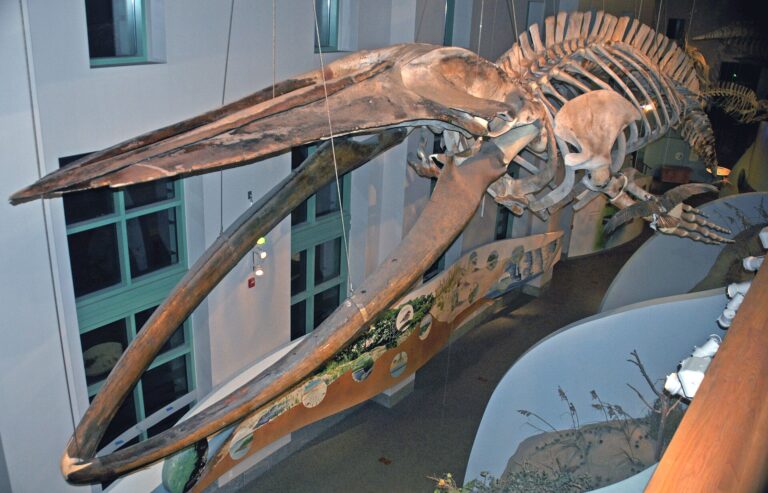
Every whale is either a baleen whale or a toothed whale. Here is how to tell them apart by feeding gear, blowholes and sound.

The blue whale is one species split into four recognised subspecies, possibly five. What separates them by size, song, range and diet, and why their conservation trajectories look nothing alike.

The most numerous baleen whale on Earth, and now Near Threatened: how it differs from the common minke, why it lives and dies on Antarctic krill, and what the bio-duck call turned out to be.
We send one careful whale roundup per month. Conservation news, species profiles, the occasional reader question we could not resist answering.
We never share your email. One-click unsubscribe.