Species Profile: The Blue Whale
The largest animal that has ever lived, from lunge feeding mechanics and the falling pitch of its song to the long, uneven recovery from industrial whaling.


The largest animal that has ever lived, from lunge feeding mechanics and the falling pitch of its song to the long, uneven recovery from industrial whaling.
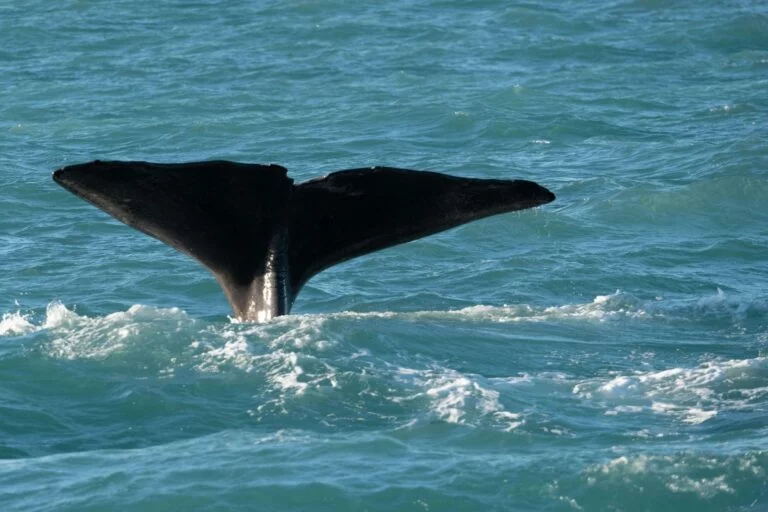
The 1820 sinking of the Nantucket whaleship Essex by a sperm whale, the three months in open boats that followed, and the second real whale, Mocha Dick, that gave Melville his title.

The third largest animal alive and the rorqual most people fail to identify. Size, speed, diet, why whalers ignored it until the 1950s, and where the population stands now.

Robert Pitman watched a humpback lift a Weddell seal out of reach of a killer whale pod in Antarctica, then went looking for other cases. His 2016 paper counted 115 interactions, 38 of them interrupted hunts, and found the animal being defended was another humpback only 11 percent of the time.
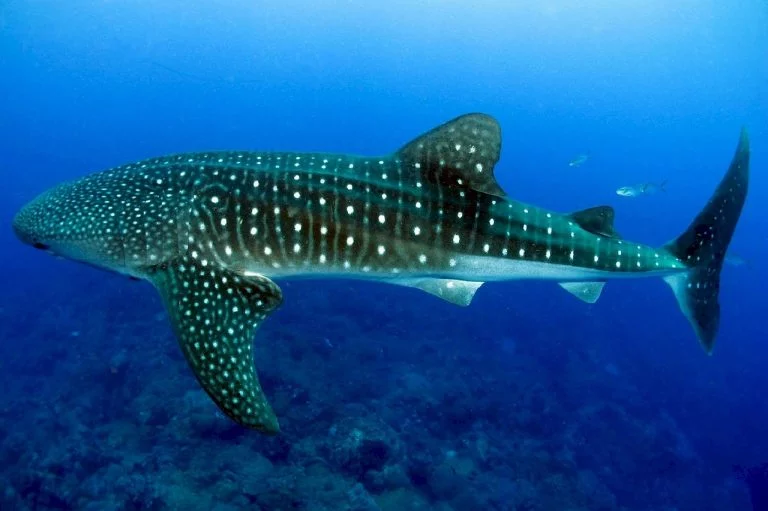
Whales are mammals and sharks are fish, and five differences make the split obvious: gills versus lungs, cartilage versus bone, body temperature, care of the young, and skin. Includes the sharks that really do run warm.
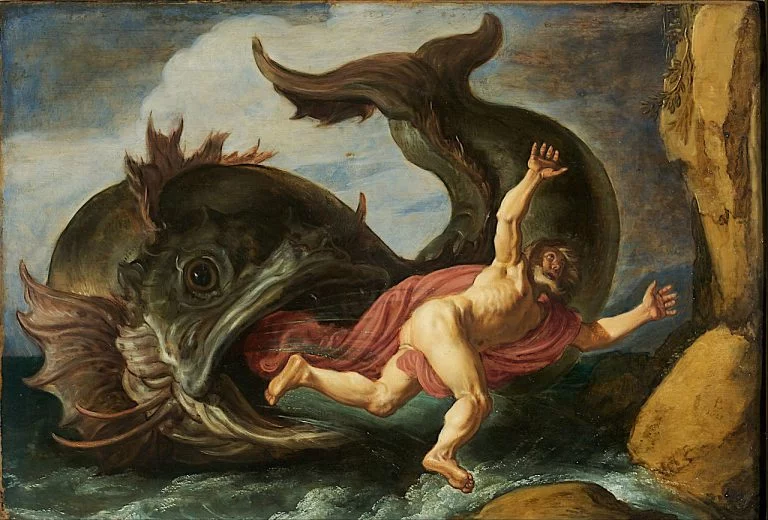
Only the sperm whale has a throat wide enough, it has never been recorded happening, and the Book of Jonah never says whale. What the anatomy actually allows.
We send one careful whale roundup per month. Conservation news, species profiles, the occasional reader question we could not resist answering.
We never share your email. One-click unsubscribe.