
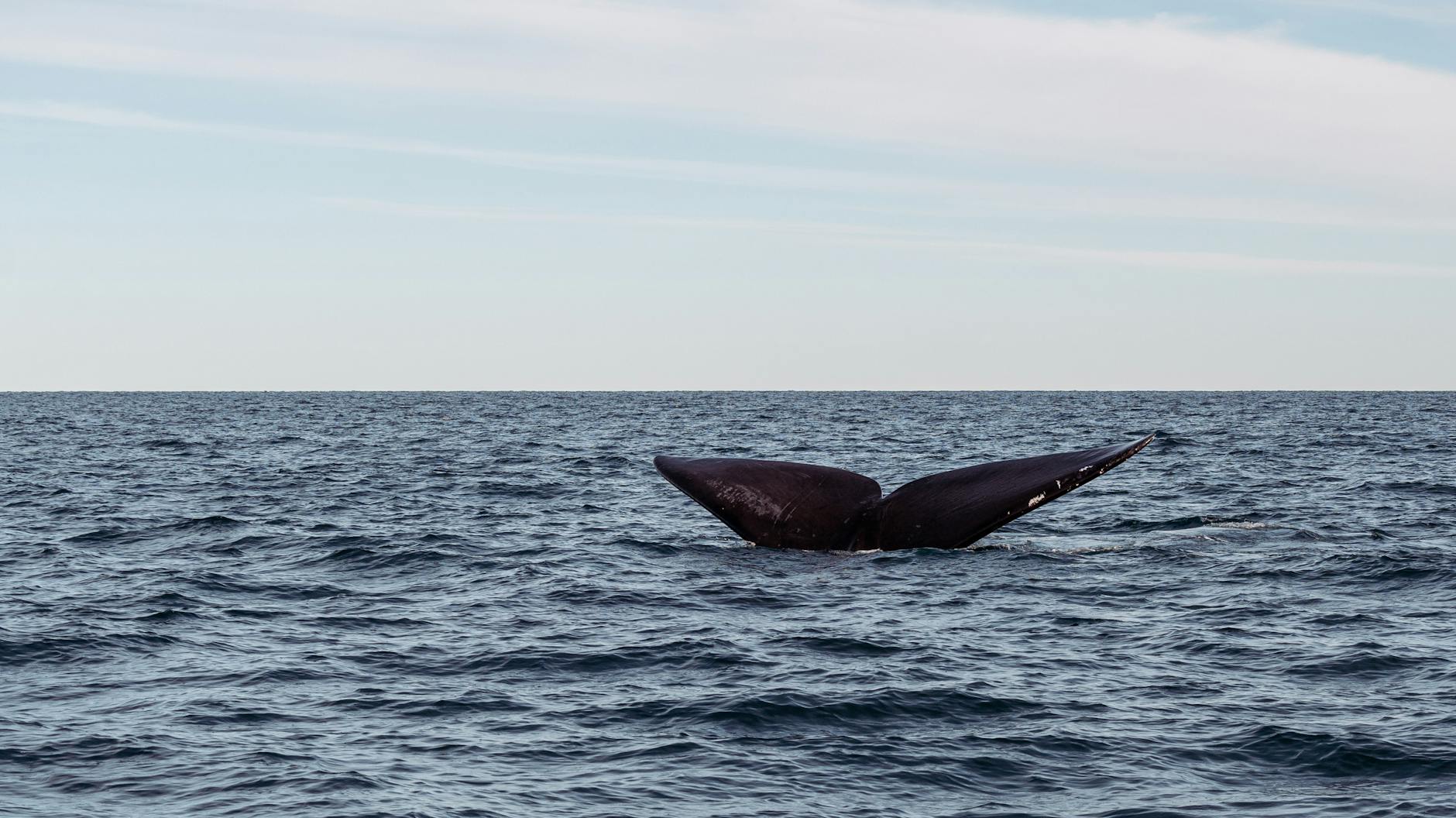
Whale True or False Trivia Game
Last updated: November 18, 2026
4 min read
Are you ready for some whale true or false trivia? Whales are full of facts that sound made up but are completely real, and others that sound obvious and turn out to be wrong. Ten statements follow. Decide true or false for each before you read the verdict, then keep going, because the section at the end explains why half the answers come down to a single split in the whale family.
Do killer whales eat other whales? Do gray whales have teeth? Hold your guesses and work through the ten.
The true or false questions
1. Killer whales hunt and eat other whales
True. The killer whale, or orca, is an apex predator, and some populations specialise in hunting marine mammals. Pods have been recorded killing minke whales and gray whale calves, and off Western Australia in 2019 researchers documented orcas killing adult blue whales, the largest animal that has ever lived. The orca is also, despite its name and its size, a member of the dolphin family.
2. Gray whales have teeth
False. Gray whales are baleen whales. Instead of teeth they have baleen plates, made of keratin, the same material as your fingernails. The gray whale is a bottom feeder: it rolls onto its side, scoops up mouthfuls of seabed sediment, and filters out small crustaceans through the baleen.
3. The blue whale is the largest animal that has ever existed
True. A blue whale reaches around 30 metres, and the heaviest one ever weighed came in near 190 tonnes, more than any dinosaur known from the fossil record. Longer animals appear in old whaling logs, but those measurements are treated with caution, so 30 metres is the figure to quote for a big adult. The heart weighs about 180 kilograms, and a newborn calf is already around 7 metres long.
4. A whale can drown
True. Whales are mammals and breathe air through a blowhole. Breathing is a conscious act for them rather than an automatic reflex. An exhausted, entangled or sick whale that cannot reach the surface can and does drown.
5. The narwhal’s tusk is actually a tooth
True. The narwhal’s famous spiral horn is an enlarged canine tooth that grows straight through the upper lip, usually in males, and can exceed 2.5 metres. It is packed with nerve endings and is thought to act as a sensory organ.
6. Sperm whales sleep standing up
True. In 2008 a team led by Patrick Miller at the University of St Andrews tagged sperm whales and caught them drifting motionless and silent in a vertical position near the surface, in naps of roughly ten to fifteen minutes. The surprise was what the tags did not show. The tags did not record brain activity. The vertical rest may include sleep involving both hemispheres, but researchers need physiological measurements to test that idea.
7. All whales have teeth
False. Whales split into two groups. Toothed whales (sperm whales, orcas, belugas, narwhals, dolphins) have teeth and hunt individual prey. Baleen whales (blue, humpback, gray, right whales) have no teeth and filter feed instead.
8. Humpback whales sing
True. Male humpback whales produce long, structured songs that can last more than 20 minutes and repeat for hours. Whales within a region share a song, and that shared song slowly changes over the season in a kind of cultural evolution.
9. Whales evolved from land mammals
True. The ancestors of whales walked on land roughly 50 million years ago. Whales still carry traces of that past, including small pelvic bones with no leg attached. The hippopotamus is their nearest surviving relative on land.
10. A whale’s spout is water it has swallowed
False. The visible spout is mostly warm, moist air exhaled from the lungs condensing in cooler air, along with a little seawater sitting around the blowhole. The shape is so distinctive that experienced watchers can name the species from it alone.
How did you score?
- 8 to 10 correct: you know your whales. Try our harder species quizzes.
- 5 to 7 correct: a solid result, with a few surprises along the way.
- Under 5: no shame, whales are stranger than most people think. Read the explanations again.
The big idea behind half the answers: two kinds of whale
If several questions tripped you up, it is usually because of one split that runs through the whole whale family. All whales, dolphins and porpoises belong to a group called cetaceans, and cetaceans divide cleanly into two suborders.
Toothed whales are the hunters. They have real teeth, a single blowhole, and they use echolocation, firing out clicks and reading the echoes to find prey in dark or murky water. This group includes the sperm whale, the orca, the beluga, the narwhal, and every dolphin and porpoise. The sperm whale is the largest toothed predator on Earth and dives well past 1,000 metres to hunt squid.
Baleen whales are the filter feeders. They have no teeth at all. Instead they grow rows of baleen plates that hang from the upper jaw and act like a sieve, trapping krill and small fish while letting the water out. This group includes the blue whale, the humpback, the gray whale, the fin whale and the right whales. Baleen whales have two blowholes rather than one. As a rule, the true giants of the ocean are baleen whales, because filter feeding lets a body grow enormous on tiny, abundant prey.
Once that split clicks into place, questions about teeth, size and feeding stop being guesses. A gray whale has no teeth because it is a baleen whale. An orca eats other whales because it is a toothed predator and a member of the dolphin family. The two suborders are the master key to whale trivia.
Tell us your score in the comments, and if you want a tougher challenge, take our sperm whale quiz or test your Arctic knowledge with the narwhal challenge.
Updated 14 September 2026: qualified the sperm whale sleep interpretation.
Read next
- Whale Species: A Complete Guide to the Cetaceans of the World
- The Canaries of the Sea: A Beluga Whale Trivia Game
- Whale Trivia
Updated 18 November 2026: aligned the heaviest blue whale on record to 190 tonnes, the 1947 female.


Got 7 out of 10. The gray whale teeth one caught me out.
Didn’t know orcas hunted other whales.