Species Profile: The Sei Whale
The third largest animal alive and the rorqual most people fail to identify. Size, speed, diet, why whalers ignored it until the 1950s, and where the population stands now.


The third largest animal alive and the rorqual most people fail to identify. Size, speed, diet, why whalers ignored it until the 1950s, and where the population stands now.
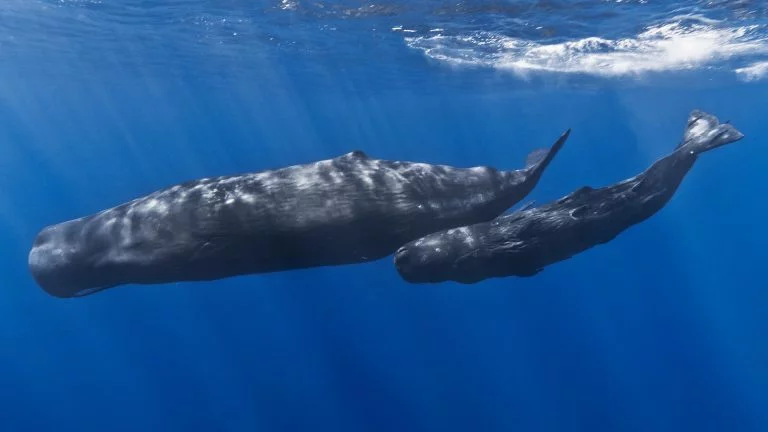
The largest toothed predator on Earth: the biggest brain of any animal, the loudest sound of any animal, two kilometre dives after squid, and the whale behind Moby Dick.

Identification, bubble net feeding, song, migration and the true state of humpback recovery: Least Concern globally, but Arabian Sea and Central America populations are still Endangered.

About 380 animals and roughly 70 breeding females left. Identification, range, diet, the calving problem, and the vessel strikes and entanglements driving the decline.

The white whale of the Arctic: a flexible neck, a melon that changes shape when it calls, around 50 recognised call types, and a global population of about 200,000 with several stocks in serious trouble.

The smallest and most numerous of the rorquals: how to identify a common minke at sea, where they live, what they eat, the mysterious boing call, and why the most abundant baleen whale is also the most heavily hunted one alive today.

The Arctic whale behind the unicorn myth: what the tusk actually does, how narwhals hunt halibut a kilometre under the ice, and why Least Concern hides real local trouble.
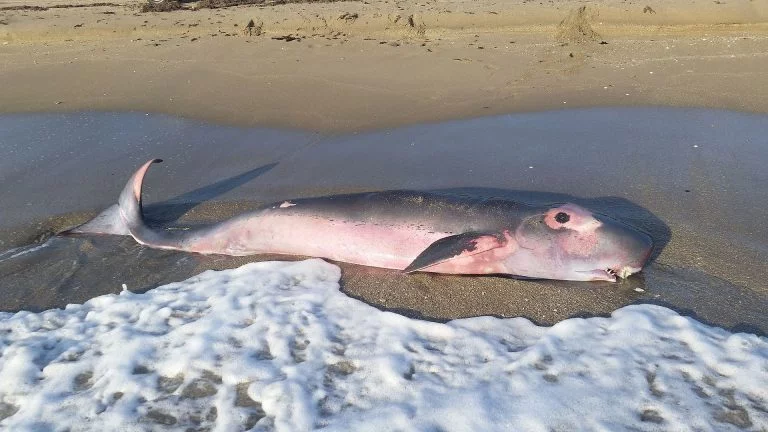
A rarely seen small whale known almost entirely from strandings: size, lifespan, the reddish fluid it releases like squid ink, its 2020 move from Data Deficient to Least Concern, and how Handley settled the pygmy versus dwarf sperm whale question in 1966.
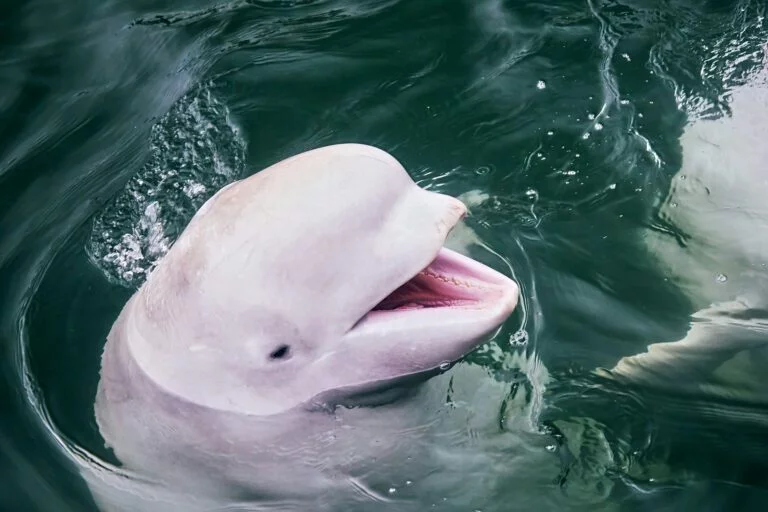
One of two whales that can release an ink-like cloud to escape a predator, and one of the least observed cetaceans in the ocean. Size, diet, reproduction, and its 2020 move to Least Concern.
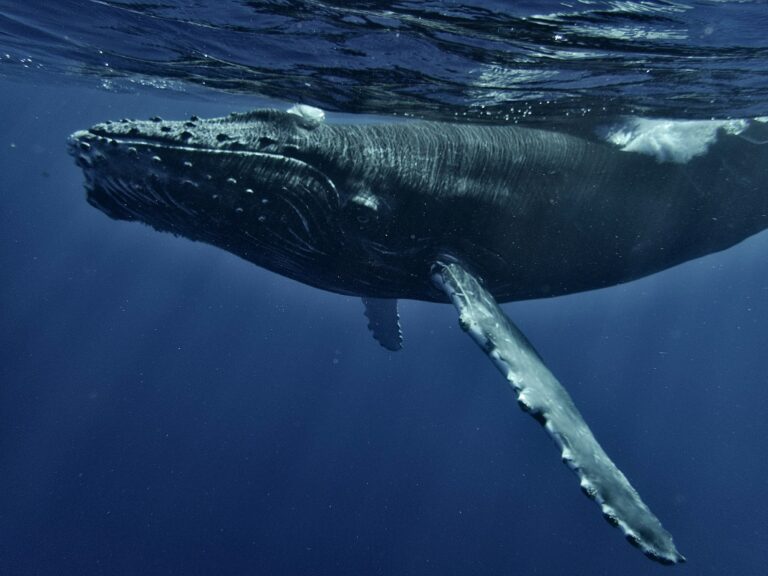
The only baleen whale that stays in warm water all year. Identification, size, diet, who still hunts it, and why its IUCN status changed from Data Deficient to Least Concern.
We send one careful whale roundup per month. Conservation news, species profiles, the occasional reader question we could not resist answering.
We never share your email. One-click unsubscribe.