
Iceland’s Whaling Company to Resume Whale Hunting
Last updated: October 14, 2026
5 min read
In June 2022, Iceland’s last whaling company, Hvalur hf., signalled it would send its boats out after fin whales again. It had not hunted since 2018. The reaction inside Iceland was not enthusiasm. The Icelandic Tourist Board and much of the public opposed the move, worried that whaling would deter the tourists the country was trying to win back after the COVID-19 slump.
This is a story about one company, one species, and a simple economic comparison that keeps coming out the wrong way for whaling. The wider question of Iceland turning from whale eaters to whale watchers belongs to a longer trend. This post is about the specific decision: should Hvalur hunt again at all?
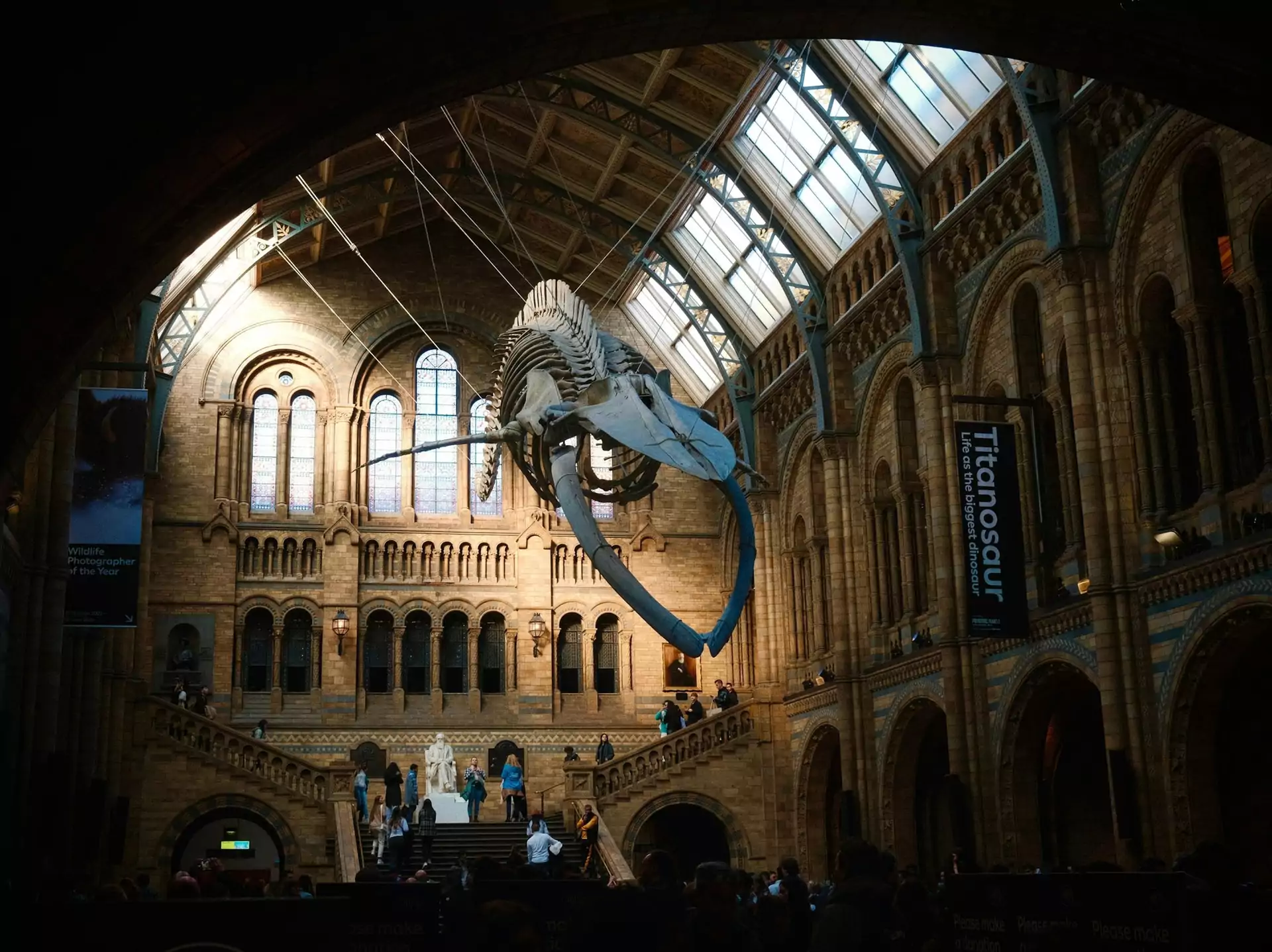
Photo: Michael Blum via Unsplash
Who Hvalur Is
Hvalur hf. is Iceland’s only company hunting large whales. It targets fin whales, the second-largest animal on the planet, and processes them at a shore station in Hvalfjordur. In the 2018 season it killed 146 fin whales, among them a pregnant female and a rare blue and fin hybrid. The company employs a workforce on its vessels and at its plant, and that is the argument its supporters lean on. But the catch had been almost nothing since. Across 2019, 2020 and 2021, exactly one whale was taken in Icelandic waters: a single minke, landed by the separate and much smaller minke operation, not by Hvalur. The fin whale fleet had been tied up for three summers.
The Numbers Behind the Argument
The strongest case against Hvalur is not emotional, it is financial. Two figures from 2017 sit side by side and tell the story:
- Iceland’s whaling operations reported revenue of about 1.7 billion Icelandic krona, roughly 14 million US dollars.
- Iceland’s whale watching companies took about 3.2 billion krona, roughly 26 million US dollars.
Whale watching earned close to double what whaling did, and it did so without killing anything. It also runs differently. Whaling is seasonal, tied to a few summer months and to a single export market. Whale watching operates much of the year, employs guides, crews and coastal businesses, and turns each whale into a renewable asset rather than a one-time product. A whale watched this summer can be watched again next summer. A whale hunted is gone.
The Demand Problem
There is also the question of who eats the meat. Icelanders themselves barely consume whale meat. Hvalur’s product is overwhelmingly aimed at export to Japan, and that market has weakened. When the destination market shrinks and the home market never wanted the product in the first place, the business case for hunting fin whales gets very thin. Critics have long argued that Icelandic whaling is not really viable, and the near-zero catch record of the pandemic years made that argument hard to dismiss.
A Licence on a Deadline
The legal picture matters as much as the economic one. Hvalur’s right to hunt ran on a licence with a fixed expiry, and the decision on whether to keep issuing whaling licences fell to Iceland’s fisheries minister. That made any resumed season potentially a last season. A company facing the end of its legal permission, a collapsed catch record, a hostile public and an unhappy tourist board is not a thriving industry. It is an industry being kept alive by inertia and a licence about to lapse.
Why the Fin Whale Is the Wrong Animal to Hunt
Fin whales are huge, fast baleen whales, reaching about 26 metres (85 feet), sometimes called the greyhounds of the sea for their speed. They were hunted intensively through the twentieth century once steam-powered catcher boats could finally chase them down, and their numbers crashed. Under international protection the species has been slowly rebuilding, enough for the IUCN to move it from Endangered to Vulnerable in 2018. Hunting an animal that is only part way through a recovery, to supply a shrinking foreign market, is the contradiction at the heart of this story. The fin whale is worth far more to Iceland alive and visible than dead and exported.
Tourism on the Other Side of the Ledger
Iceland’s recovery from the pandemic depended heavily on tourism rebounding toward its 2017 peak. Whale watching is part of that draw: visitors come to Reykjavik and to northern towns specifically to see humpbacks, minke whales and dolphins. Whaling threatens that appeal directly. Tourists who would happily pay to watch a whale tend not to want to share a country with a whale hunt, and the tourist board knew it. That is the real bind. Iceland cannot easily market itself as a wildlife destination while also running a fin whale hunt offshore.
How Iceland Fits Into Global Whaling
Iceland is one of a very small group of countries that still hunt large whales commercially, alongside Norway and Japan. Most of the world stopped after the International Whaling Commission agreed a moratorium on commercial whaling in 1982, in force from the 1986 season. Iceland’s position has always been an outlier: it left the Commission in 1992 and rejoined in 2002 with a reservation that let it keep hunting, a legally contested arrangement. That isolation matters for the export business, because trade in whale products is restricted under CITES, which narrows the markets Hvalur can sell to. The United States has also held diplomatic sanctions against Iceland over whaling since 2014 under the Pelly Amendment. A company hunting a recovering species, against a global consensus, with a shrinking list of legal buyers, is not operating from a position of strength.
To understand how Iceland fits into the broader history of the industry, read our explainer on the facts about whale hunting and why we do it.
What happened next
This post was written when the 2022 decision was still fresh. Here is the record since, updated July 2026.
- 2022: Hvalur hunted and killed 148 fin whales.
- 2023: the fisheries minister suspended the hunt in June on animal welfare grounds, then allowed it back under stricter conditions in late August. Twenty-four fin whales were taken in a short season.
- 2024: a licence was issued for up to 128 fin whales. Hvalur did not hunt.
- December 2024: the government granted a five-year licence running to 2029, allowing up to 209 fin whales a year.
- 2025: Hvalur again did not hunt. Kristjan Loftsson, who runs the company, said prices had fallen far enough that a season could not be justified.
- 2026: the hunt resumed. The first fin whales of the season were killed in the third week of June, against a quota of 150 after the Marine and Freshwater Research Institute advised cutting the number. Iceland’s 2026/27 legislative programme schedules a Whaling Act review for February 2027. It says the review will consider a permanent ban and related constitutional questions.
Four years on, the pattern in the numbers is the same one this post described. Hvalur has hunted in three of the last five seasons and sat out two, and the reason given for sitting out was the price of the product, not the weather or the quota.
The Bottom Line
The question the post asked, why a company would return to hunting after years of barely catching anything, has a fairly clear answer: a valid licence and a habit, not a healthy market. Public opinion, tourism value, export demand and the catch record all point the same way. For more on the species Iceland’s smaller operation targets, see our profile of the common minke whale.
Updated 14 September 2026: corrected the recent hunt count and updated Iceland’s legislative timetable.



Can’t see how whaling makes sense when whale watching brings in so many visitors.
Interesting that the tourist board spoke out.
Tor, agreed. Iceland’s own welfare reports added a lot of pressure.