

Dead White Humpback Whale Not Migaloo
Last updated: September 14, 2026
4 min read
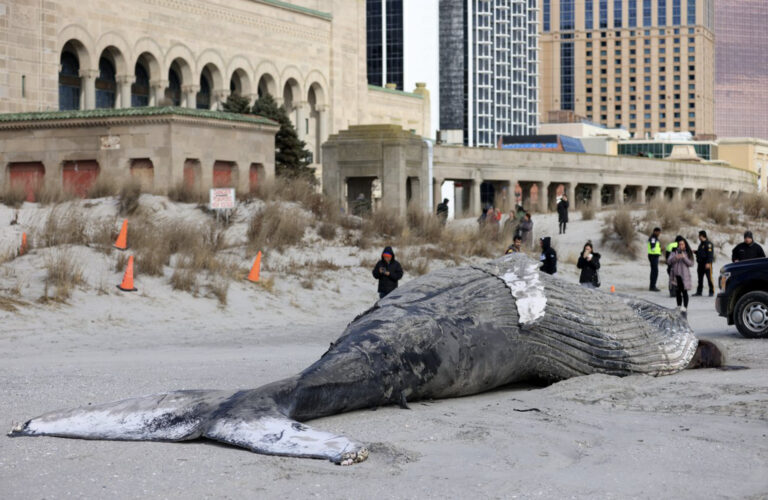
When a white humpback whale washed up dead on an Australian beach, whale lovers held their breath: was it Migaloo, the most famous white whale in the world? Wildlife authorities said no. The animal that came ashore near Mallacoota in Victoria was a different whale, a younger female of around 10 metres, and not the albino humpback that has drawn crowds to the Australian east coast for more than thirty years.
How experts ruled out Migaloo
The carcass was spotted on 16 July 2022 by a local man kayaking past a remote beach near Mallacoota, in East Gippsland. The sight of a pale body on the sand immediately raised fears for Migaloo. Officers from Victoria’s Department of Environment, Land, Water and Planning travelled to the beach, examined the animal and compared it with known images of Migaloo. The two did not match.
Three details settled it. Migaloo is a male and this whale was female. Migaloo is a full grown adult and this whale was a juvenile. And close up, the body was not actually all white: the officers found patches of dark skin, so this was not an albino animal at all.
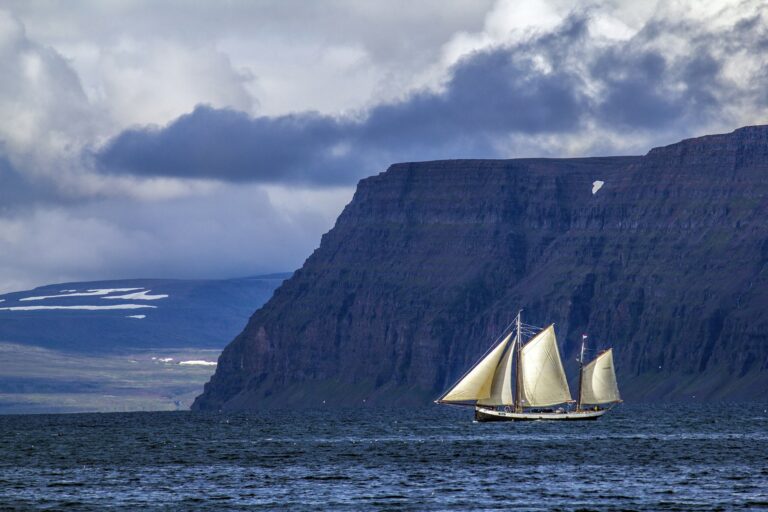
Photo: Robin Canfield via Unsplash
Who is Migaloo?
Migaloo is an all white humpback whale first sighted in 1991 off Byron Bay during a volunteer whale count. He is thought to have been born around 1986. Whale watchers gave him the name Migaloo, a word meaning “white fella” used by Aboriginal people in Queensland.
His rarity made him a celebrity, and it also bought him legal protection. Queensland classes any humpback that is more than 90 percent white as a special management marine mammal, which means boats must stay 500 metres away and aircraft, including drones, must stay 610 metres away. Crowds still gather along the eastern coast each migration season hoping for a glimpse.
Migaloo’s last confirmed sighting was in June 2020, off Port Macquarie in New South Wales. No later sighting has been confirmed in Migaloo’s official archive. Many people fear the worst, but an unsighted whale is not the same as a dead one.
Is Migaloo really an albino?
For years scientists hesitated to call Migaloo a true albino, because his eyes are brown rather than the pink or red usually associated with albinism. DNA work by researchers at the Australian Marine Mammal Centre, published in 2011, settled the question. They found a deletion in his tyrosinase gene, the gene behind the enzyme that produces the pigment melanin, which cuts the protein short and leaves it inactive. Migaloo is a genuine albino, and he may be the only pure white adult humpback alive today.
Albinism versus leucism: why some white whales have dark spots
Not every pale whale is an albino, and the difference matters. Both conditions involve a shortage of melanin, the pigment behind dark colouring, but they are not the same:
- Albinism means melanin production is absent or badly disrupted. A true albino, like Migaloo, is white across the entire body, and the eyes are usually affected too.
- Leucism is a partial loss of pigment. A leucistic whale appears white, pale or patchy, but typically keeps some dark markings, and the eyes keep their normal colour.
Migaloo is not the only white humpback whale watchers know by name. Bahloo was first photographed in the Great Barrier Reef in 2008. Migaloo Junior was seen as a white calf off the reef in 2011 and named on the assumption that he might be Migaloo’s offspring, which has never been shown. Willow was photographed off Norway in 2012. All three carry visible dark markings, which points to leucism rather than full albinism, and no genetic link to Migaloo has ever been proven.
Why life is harder for an all white whale
Melanin does more than colour skin. It helps protect tissue from ultraviolet damage, so an albino whale spending long periods at the sunlit surface may be more prone to sunburn and skin problems. A bright white body is also far more visible, which can make a young whale easier for predators such as killer whales to spot. Migaloo reaching mature adulthood despite those disadvantages is part of what makes his run so remarkable.
Why humpback whales strand
The Mallacoota whale ended up on a beach, and strandings like it happen along the Australian coast every year. There is rarely a single cause. A whale may come ashore because of illness or injury, after a collision with a ship, when weakened by entanglement in fishing gear, or after becoming disoriented in shallow, unfamiliar water. Old age and natural death play a part too, and a carcass can simply drift in with the tide. That is why authorities examine stranded whales rather than assuming, and why a pale carcass needed proper identification before anyone could say whether it was Migaloo.
How long could Migaloo live?
There is reason for hope. NOAA Fisheries puts the humpback lifespan at about 80 to 90 years. If Migaloo was born around 1986 he is only about 40, which leaves him a long way short of old age for the species. A whale that has not been photographed for a few years across a vast ocean is far from a confirmed loss.
Why white whales matter beyond the headlines
Stories like the Mallacoota stranding spread quickly because Migaloo turned a single whale into a public favourite, and that attention pays for itself. It funds research, it produced the 500 metre exclusion rule, and it gets ordinary people watching the migration each year. To learn more about the species behind these rare pale individuals, see our humpback whale species profile.
Updated 14 September 2026: removed an unsupported 2026 Migaloo sighting.


Good explanation of the difference between leucism and albinism.
Didn’t know there were other white humpbacks.
Saw Migaloo from a headland years ago. Hope he is still out there.