

North Pacific Right Whales in Bering Sea
Last updated: September 14, 2026
4 min read
A fishing skipper in the Bering Sea filmed a group of whales in the middle of winter, and among them were North Pacific right whales, in a place and a season where nobody had ever photographed them before. That matters more than it sounds, because the eastern North Pacific right whale is the most endangered large whale population on Earth. This page keeps the story of the sighting and builds it into a reference on the species: who it is, why it is so rare, and why one fisherman’s email changed what researchers thought they knew.
The sighting that changed an assumption
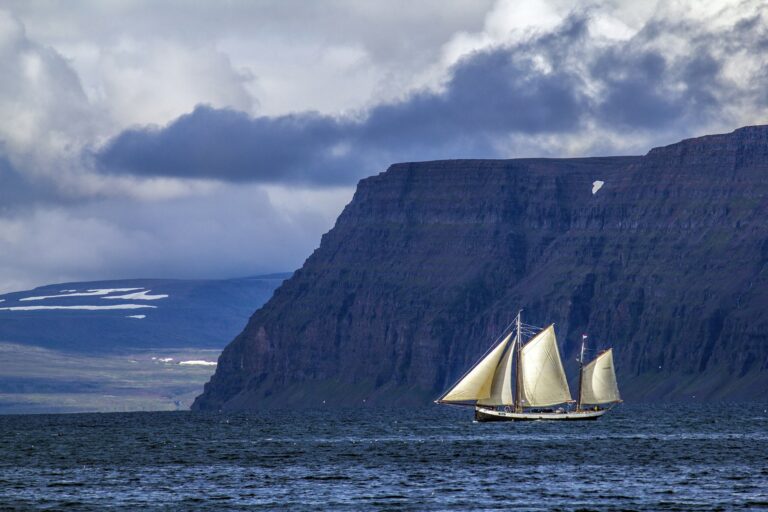
Josh Trosvig has spent 35 years fishing the North Pacific and the Bering Sea. In early February 2022, from the deck of his 58 foot cod boat the Cerulean, east of Cape Sarichef and northeast of Unimak Pass, he watched around 20 whales feeding in a way he had never seen before. He did not know what they were, so he sent his photos and video to Asia Beder, the assistant area management biologist for the Bering Sea and Aleutian Islands at the Alaska Department of Fish and Game in Dutch Harbor.
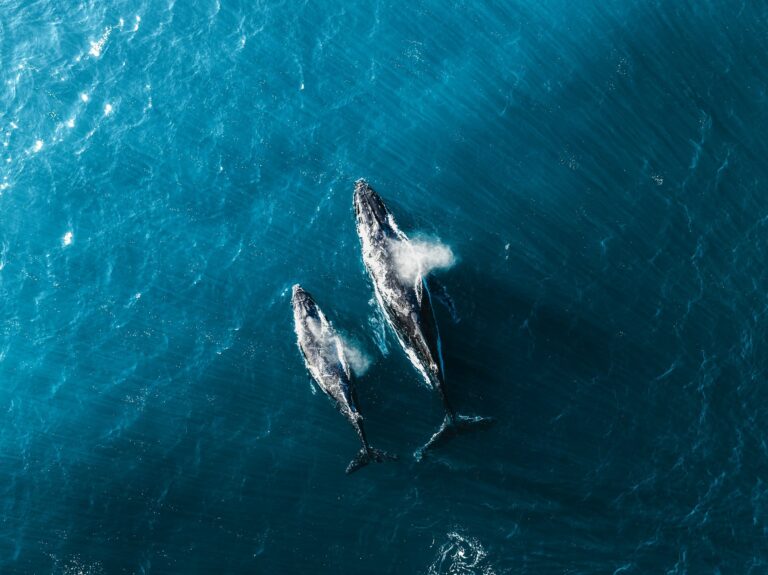
Beder could not identify the dark whales with white patches with certainty, so she forwarded the material to NOAA Fisheries. Jessica Crance, a research biologist at the Marine Mammal Laboratory in the Alaska Fisheries Science Center, looked at the footage. Most of the group were humpback and fin whales, but at least two of the animals were North Pacific right whales.
The detail that made scientists sit up was the season. Underwater recorders had picked up right whale calls in the Bering Sea in January, so researchers already suspected some animals stayed through the winter, but nobody had ever seen or photographed them there at that time of year. Trosvig’s footage is the first visual evidence.
The rarest great whale in the world
There are three species of right whale: the North Atlantic right whale, the southern right whale, and the North Pacific right whale. The North Pacific species is managed as eastern and western populations that appear genetically and behaviourally separate:
- Western population: found around Japan and the Russian Far East, thought to number in the low hundreds, based on surveys from the early 1990s that NOAA describes as unreliable.
- Eastern population: found in the Gulf of Alaska and the Bering Sea. NOAA Fisheries says fewer than 50 remain, and the scientists working on the stock usually give a figure of about 30.
That is not a typo. NOAA Fisheries describes the eastern North Pacific right whale as the most endangered large whale population in the world. A mark and recapture study of the southeastern Bering Sea feeding grounds, published in 2011, put the number there at about 31 animals from photographs and 28 from genetic sampling, with wide error bars either way. For comparison, the North Atlantic right whale, itself critically endangered, still numbers a few hundred.
How a whale gets reduced to 30 animals
North Pacific right whales once numbered in the tens of thousands. Nineteenth century whalers called them “right” whales because they were the right ones to hunt: they swim slowly, stay near the surface, are rich in oil and baleen, and float when killed. Commercial whaling in the 1800s gutted the population.
The blow it never recovered from came later. Illegal Soviet whaling in United States waters during the 1960s killed hundreds of right whales that international rules were supposed to protect, taking an already shattered population down to a handful of survivors. There has been no clear sign of recovery since. The species was listed as endangered in 1970 under the law that preceded the Endangered Species Act, has been protected under the ESA since 1973, and is listed as endangered on the IUCN Red List, with the northeastern Pacific subpopulation in the most severe category.
The Bering Sea critical habitat
Since 1996, North Pacific right whales have been recorded repeatedly in a small patch of the southeastern Bering Sea. That area was formally designated as critical habitat under the Endangered Species Act in 2008. The whales come there to feed, filtering huge quantities of tiny copepods and krill through baleen plates built for skimming clouds of plankton out of cold, productive water.
The winter sighting adds a layer to that picture: the population may not vacate the Bering Sea entirely in the cold season after all. Every confirmed record helps researchers map where the last few dozen animals actually spend their year, and Crance has pointed out that the basics of the eastern stock, including how long the animals live, are still unknown.
Why this matters for boaters and for the future
With so few animals, every individual is irreplaceable. The loss of a single breeding female would measurably lower the population’s chance of survival. After the sighting, NOAA Fisheries asked vessels working near Unimak Pass to slow to 10 knots or less, stay at least 500 yards from any whale, and report what they see, either to NOAA on 619-733-1386 or to the United States Coast Guard on VHF channel 16. Vessel strikes are a serious threat to a slow moving surface feeder.
The breakthrough here did not come from a research vessel or a satellite. It came from a fisherman who paid attention, did not know the answer, and asked. Reports from people who work on the water are one of the most valuable tools for tracking this species. If you ever see an unusual whale, photograph it, note the time and position, and send it to your local fisheries agency.
To see how the related Atlantic species is faring under similar pressures, read our profile of the North Atlantic right whale.
Updated 14 September 2026: qualified the separation of eastern and western populations.


Love that a fisherman’s photo led to this.
Didn’t realise the eastern population was so much smaller than the western one.
Shows how much we still don’t know about where these whales go.
Do they know where the North Pacific right whales spend the winter?
Clear summary for a general reader. Thanks.