
Rescuing A Stranded Whale: 5 Safety Tips To Remember
Last updated: October 14, 2026
4 min read
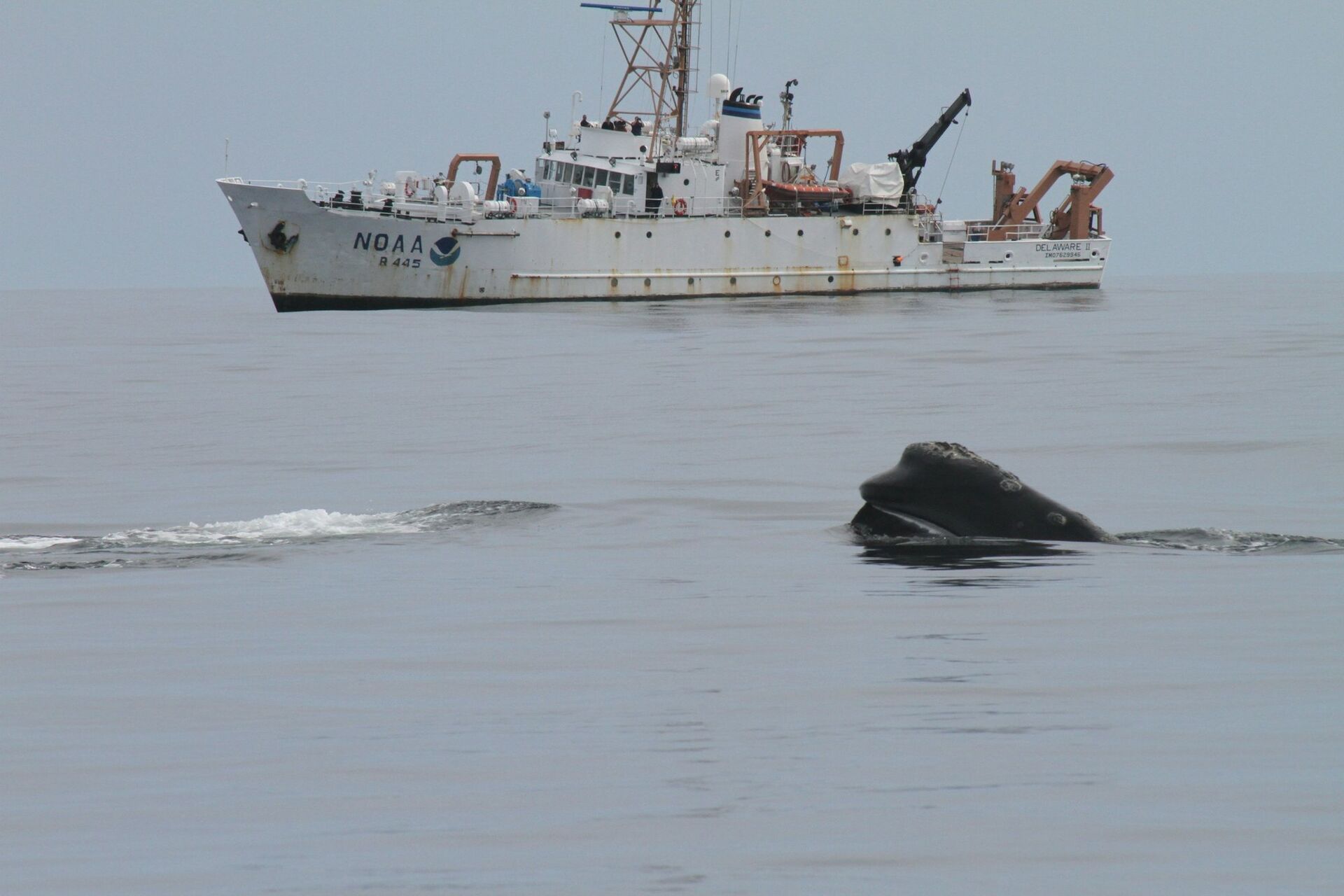
Photo: NOAA via Unsplash
Here is what to do, and what not to do, if you come across a stranded whale.
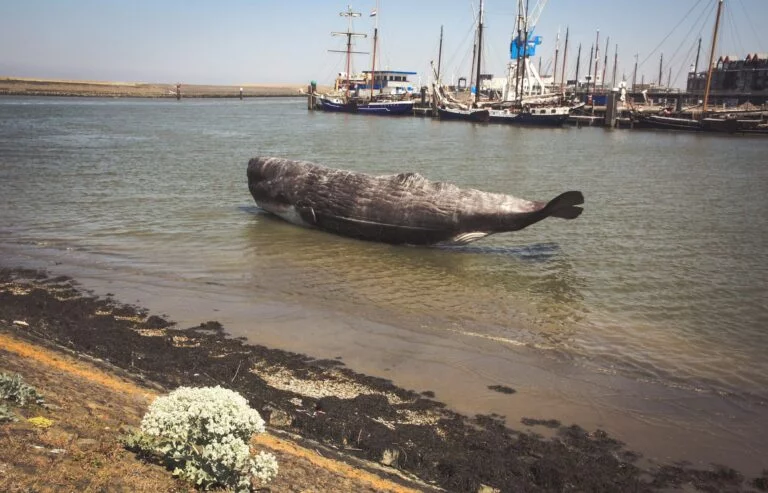
Sperm whales stranded on the Lincolnshire coast near Skegness in January 2016 (Photo: Reuters)
The blue whale is the largest animal known to have lived on Earth, and whales in general are among the biggest animals in the ocean. They are also, despite living in water, animals that end up on beaches with some regularity. Strandings have no single cause, and many individual cases are never explained. Tides are one factor: an animal that comes in close on a high tide can be left behind when the water drops. Illness and injury are another, and a whale that is dying often heads for shallow water. In highly social species such as pilot whales, a whole group can follow one sick individual ashore, which is how mass strandings happen.
No species is exempt, including the very large ones. In January and February 2016 around 30 sperm whales stranded around the North Sea, four of them on Lincolnshire beaches near Skegness over three days in late January. All the Lincolnshire animals were juvenile males, and all were thought to have come from the same group.
If you find a live stranded whale, the most useful thing you can do is call the right people fast and then keep out of the way. Untrained bystanders can make things worse for the animal and get badly hurt doing it. The advice below follows the two main stranding authorities, NOAA Fisheries in the United States and British Divers Marine Life Rescue in the UK, and it is worth knowing that they differ: BDMLR asks the public to give basic first aid while medics travel, whereas NOAA asks the public not to touch the animal at all.
Safety tips for a stranded whale
1) Call for help immediately
This is the first step and the one that matters most. In the UK, call the BDMLR rescue hotline on 01825 765546. In the United States, call the NOAA Fisheries stranding hotline for your region: 1-866-767-6114 on the West Coast, 866-755-6622 for the Greater Atlantic, 1-877-942-5343 for the Southeast and Gulf, 1-888-256-9840 for Hawaii, 877-925-7773 for Alaska. If you do not know who to call, contact the police or the coastguard and they will pass it on.
Note the exact location, the size and rough shape of the animal, whether it is alive, and how many there are. A photo taken from a distance helps responders identify the species and bring the right equipment.
2) Keep yourself safe
A stranded whale is a large, frightened wild animal. A blow from the tail can kill. Stay clear of the head and the flukes, and do not approach at all if you are on your own. Sick marine mammals can also carry infections that pass to people, so anything that touches the animal, including towels, should be washed or disposed of afterwards.
NOAA’s guidance to the public is simply not to touch, handle or approach the animal, and to watch from at least 100 yards away. BDMLR takes a different line for the UK and will talk you through first aid on the phone: if the animal is on its side, gently roll it upright onto its belly and dig trenches under the pectoral fins so they hang comfortably; cover it with wet sheets, towels or seaweed and keep it damp, taking care never to cover the blowhole; check the blowhole is clear of sand and water; and count its breaths over a minute so responders know how stressed it is. Follow whatever the people on the phone tell you, not a checklist from the internet.
3) Never push the whale back into the sea
Both organisations are emphatic about this. A stranded whale usually strands because something is already wrong with it, and refloating it without treatment tends to prolong the animal’s suffering, send it straight back onto the beach, or leave it to die out of sight. Dragging or pulling also causes injuries of its own. Keep the animal cool and wet, and wait for the team with the right equipment.
4) Keep the noise and the crowd down
A stranded whale is a stressed whale, out of its element and often ill or injured. Stress makes the outcome worse and makes the animal more likely to thrash. Keep voices low, keep dogs away entirely, and ask onlookers to stand well back. If the animal becomes agitated, move further away rather than trying to settle it.
5) Expect sudden movement once it is back in the water
A whale that has just been refloated or freed is not a calm animal, and the moment of release is the dangerous one. On 10 July 2017 Joe Howlett, a New Brunswick fisherman who co-founded the Campobello Whale Rescue Team and had freed around two dozen entangled whales over 15 years, was killed in the Gulf of St Lawrence when a North Atlantic right whale he had just cut loose from fishing rope flipped and struck him. His long experience did not protect him. If you are anywhere near the water at that point, be ready to move back fast.
Stranding networks exist in most coastal countries and they run on public reports. If you live somewhere strandings happen, look up your local group’s number now and save it, because that call is the part of the rescue only you can do.

The bit about not pouring water down the blowhole needs saying more often.
BDMLR runs marine mammal medic courses in the UK. Worth doing if you live near the coast.
People forget a stranded whale can still hurt you.