
Best Month-by-Month Calendar for Whale Watching Worldwide
Last updated: November 9, 2026
8 min read
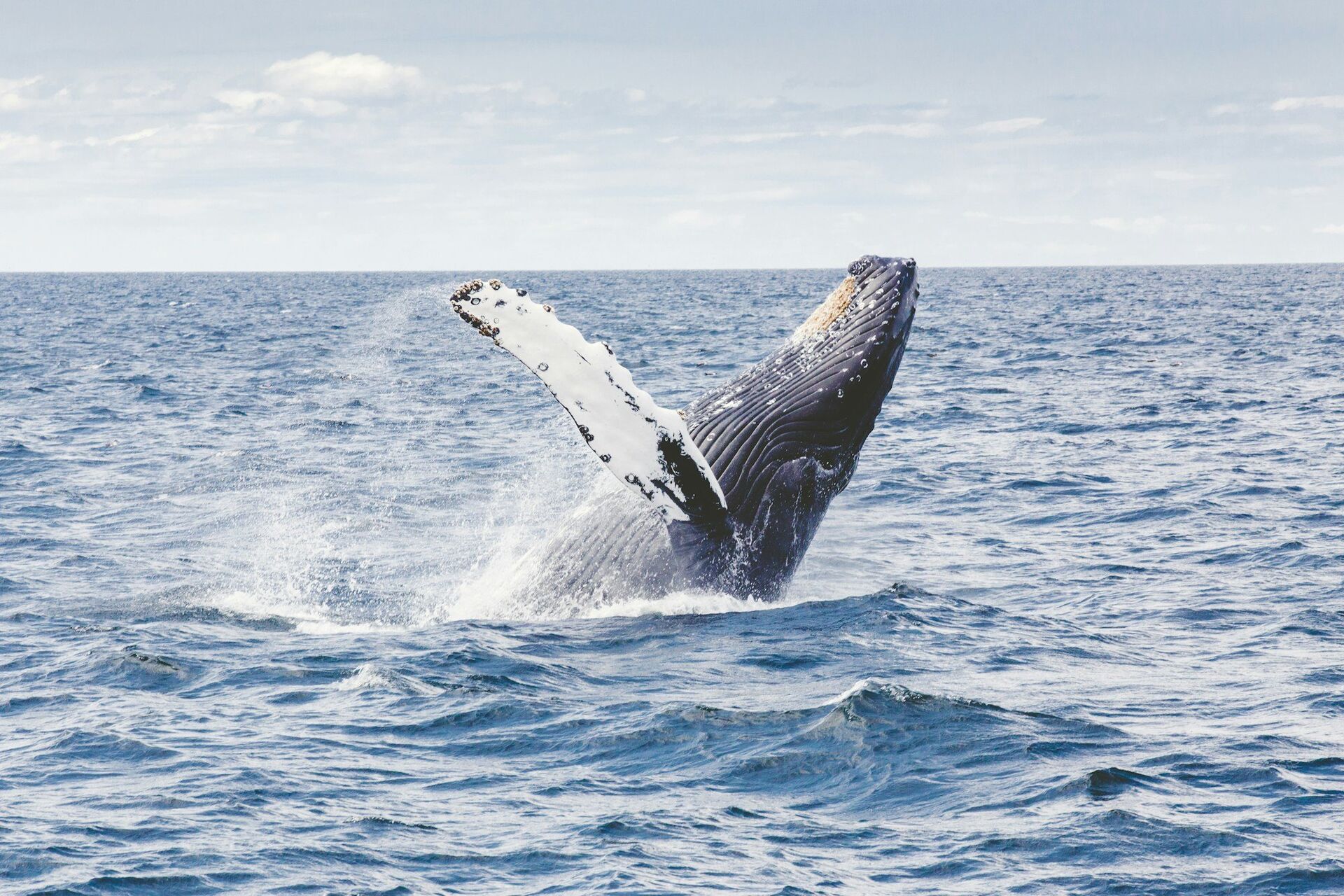
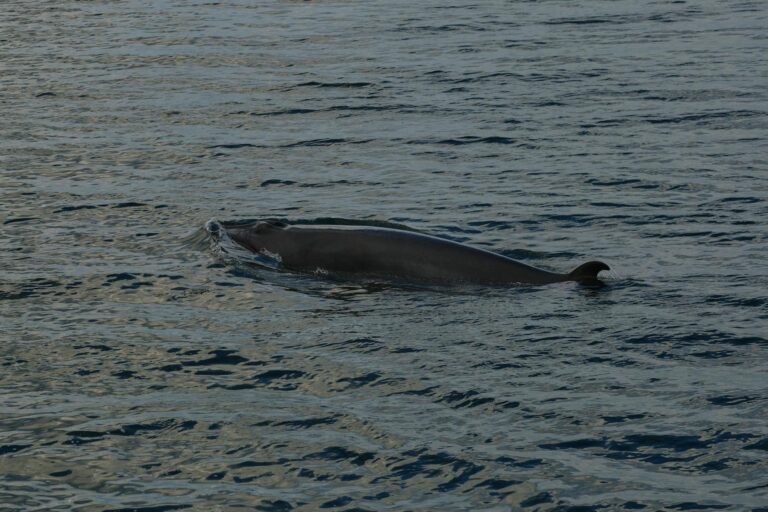
Photo: Thomas Kelley via Unsplash
Whale watching is a seasonal business. The whales follow food and follow temperature, and the best viewing windows shift around the globe through the year. This guide is organised the way most people actually plan trips: by month. Pick a month, see which destinations are at their peak, and decide accordingly. The companion piece on whale watching ethics covers what to ask any operator you book. For destination depth, see our 10 best whale watching spots worldwide guide.
Season by destination, with sources
Whale seasons shift from year to year, and many of the best sources are local operators, so each row names who says so. Where we found no source we could rely on, the row says Not found rather than guessing. The month-by-month notes further down are a general guide built on this table and on common operator practice, and not every line in them has its own source. Last updated 9 November 2026. The table is free to download as a CSV.
| Destination | Species | Season | Peak | Source |
|---|---|---|---|---|
| Hawaii, USA | Humpback | November to May | January to March | NOAA Hawaiian Islands Humpback Whale National Marine Sanctuary |
| Glacier Bay, Alaska | Humpback | April to September | Numbers rise from mid-June and peak in July and August | US National Park Service |
| Stellwagen Bank, Massachusetts | Humpback and others | Most operators run May to October | Not found | NOAA Stellwagen Bank sanctuary |
| Hermanus, South Africa | Southern right | June to November or early December | September and October | Hermanus Whale Watchers (operator) |
| Hervey Bay, Australia | Humpback | Mid-July to late October (Queensland tourism gives June to November) | Not found | Visit Fraser Coast |
| Vava’u, Tonga | Humpback | July to October | Not found | SSI diving (operator guide) |
| Husavik, Iceland | Baleen whales | Sources give April to October, or May to September | June to September | Icelandair |
| Skjervoy, Norway | Orca and humpback | About November to January, sometimes from late October | Not found | Whale Safari (operator) |
| Azores, Portugal | Sperm whale and others | Year-round, with seasonal blue and fin whales | Not found | Visit Azores |
| Kaikoura, New Zealand | Sperm whale | Year-round | Not found | Whale Watch Kaikoura (operator) |
| Mirissa, Sri Lanka | Blue whale | About November to April | December to March | Tales of Ceylon (operator) |
| Baja California lagoons, Mexico | Gray whale | Not found | Not found | NOAA Fisheries (confirms the wintering lagoons, not dates) |
| Antarctic Peninsula | Humpback, minke | Not found | Not found | Not found |
| Monterey Bay, USA | Mixed species | Not found | Not found | Not found |
| Saguenay, Canada | Beluga, minke | Not found | Not found | Parks Canada (no dates given) |
Key facts at a glance
- Best northern hemisphere months: May to September for cold-water feeders, December to April for tropical breeders
- Best southern hemisphere months: June to December for southern right whales, June to November for the Australian humpback migration
- Year-round sites: Kaikoura (sperm whales), the Azores (resident sperm whales and visiting baleens), Monterey Bay (mixed species)
- Family-friendly months: mid to late season in any region, when calves are larger and the weather is settled
- Budget tip: shoulder months at the edge of peak season have fewer crowds and similar sightings
January
Hawaii is in full humpback breeding season; Maui’s Auau Channel is the textbook destination. The Sanctuary Ocean Count, run by the Hawaiian Islands Humpback Whale National Marine Sanctuary, takes place on the last Saturday of January, February and March. The Dominican Republic’s Silver Bank also peaks for humpbacks. Baja California’s San Ignacio and Ojo de Liebre lagoons fill with calving gray whales, and this is the season for the famous friendly whale encounters where cows bring their calves up to small boats. Off Sri Lanka, Mirissa is one of the best blue whale months.
February
Hawaii and the Dominican Republic continue at peak. The Baja lagoons are at their best: calves are large enough to play. Sri Lanka and the Maldives are still good for blues. On the Antarctic Peninsula, late February into March is the strongest stretch of the whole season for whales, with humpbacks and minkes feeding hard on summer krill.
March
Northbound gray whales move up the U.S. West Coast, and March is the busiest month for them off central California. Watching from headlands in Oregon and California (Depoe Bay, Cape Mendocino, Point Reyes) is excellent. Hawaii is winding down. The Sea of Cortez sees blue and fin whales gathering. The Antarctic season closes during March, and the last voyages of the summer are often the best ones for whales.
April
Gray whale cow and calf pairs bring up the rear of the northbound migration along the California coast, travelling close inshore. The Azores’ baleen migration picks up: blues, fins and seis pass through. In Iceland, the season is just beginning around Husavik and Reykjavik. The Bay of Biscay starts to come alive for pelagic ferry crossings.
May
Iceland’s full season kicks off: minkes, humpbacks, occasional blues and fins around Husavik, Akureyri and Reykjavik. The Azores hits peak baleen passage. Quebec’s Saguenay Fjord begins its belugas-plus-minkes season. The Gulf of Maine’s humpbacks return to feed. Spitsbergen’s brief Arctic season starts. North Pacific right whales are occasionally sighted in the Bering Sea, though with only a few dozen animals left in the eastern population these are chance encounters, not a destination.
June
Hermanus, South Africa, opens for southern right whales, with early arrivals in June ahead of the August to October peak. Australia’s east coast humpback migration begins north along the Sunshine Coast and Hervey Bay. Iceland and the Azores are at full tilt. Newfoundland sees humpbacks and minkes feeding inshore. New Zealand’s Kaikoura is always good for resident sperm whales.
July
Southern right whale numbers build along the South African coast. Australia’s humpback highway carries thousands of whales north. Tonga’s Vava’u humpback season opens with regulated swim-with-whale tours. Iceland’s peak month, with the longest daylight of the year. Alaska’s Inside Passage and Glacier Bay are at their best for humpbacks.
August
Australia and Tonga humpback peak. Hermanus southern rights are into their strongest months. Alaska, Iceland and the Gulf of Maine continue strong. Narwhals can be seen in Lancaster Sound and Baffin Bay. Northern British Columbia and Vancouver Island host resident and transient orcas plus humpbacks. The Bay of Fundy is excellent for fin and minke whales.
September
Hermanus southern rights are still strong, and the Hermanus Whale Festival usually falls around this time of year, so check its site for the dates. Newfoundland and Iceland start winding down. Australian humpbacks head back south and pass close to Sydney’s beaches. In northern Norway the herring are moving in, but the orca and humpback season proper does not start until November.
October
Hermanus and Plettenberg Bay’s southern right whales peak then begin tapering. The Pacific Northwest’s resident orcas are still good. Hervey Bay’s last southbound humpbacks pass. The first Antarctic voyages of the season leave at the end of the month, though whale numbers there stay low until the new year.
November
Norway’s orca and humpback fjord season opens around Skjervoy, Senja and Tromso, and runs through to late January. The Antarctic Peninsula season gets going. Hermanus is winding down. Hawaiian humpbacks start arriving. Tonga is closed for the season. Sri Lanka’s Mirissa season begins.
December
Hawaii humpback season ramps up rapidly. The first gray whales reach the Baja lagoons late in the month. Sri Lanka peaks for blues. Antarctic voyages are running daily. Norway’s orca and humpback action continues. The Pacific Northwest sees gray whales moving south past the coast.
Picking destinations by total season length
Some destinations have short, intense windows (Tonga humpbacks: July to October). Others have long shoulder seasons that almost match peak. The Azores has good sperm whale watching most months, with seasonal baleen passage on top. For a single trip on tight dates, the long-season destinations are forgiving. For a once-in-a-lifetime trip planned a year out, the short-season hotspots reward careful timing.
Three other timing factors to weigh: weather, daylight and tourist load. Reykjavik has very long days in early July, but that is also among the busiest times to visit. Norway’s orca season runs into the polar night with only a few usable hours a day. The Antarctic Peninsula has a season of roughly five months, November to March, and only the back half of it is reliable for whales. Aligning whale season with weather and daylight saves trips.
Migration corridor opportunities
Some of the most reliable whale watching happens not in feeding or breeding grounds but along migration corridors. The humpback highway up the east coast of Australia, from June to November, funnels tens of thousands of whales past major cities. California’s coast catches the entire eastern Pacific gray whale population twice a year. Cape Cod sits on the path between summer feeding and winter breeding grounds for several species. The advantage of migration corridors is sheer volume; the disadvantage is that whales rarely linger, so each encounter is brief.
Year-round destinations
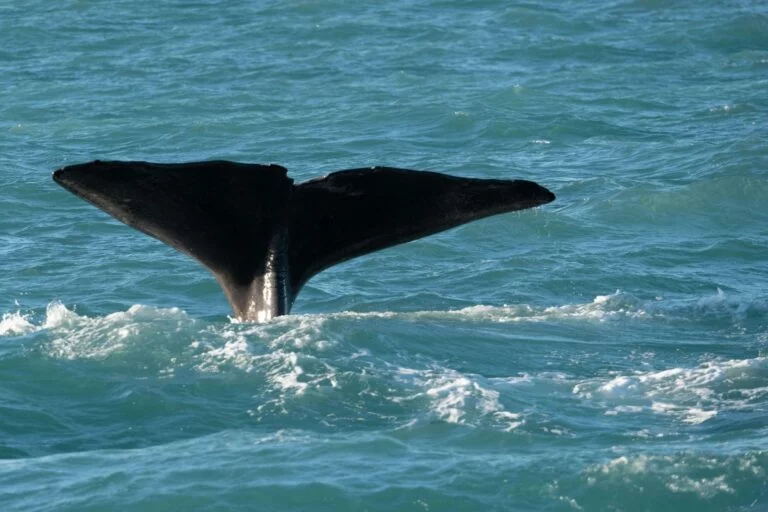
A few places host whales every month. Kaikoura, New Zealand, has resident male sperm whales hunting the deep canyon just offshore, viewable any week of the year. The Azores has resident sperm whales plus seasonal blues and fins, so quality changes but there is always something. Monterey Bay runs year-round on a rotation of grays in winter and spring, blues in summer, and humpbacks for most of the year.
Choosing your month: a quick framework
- Pick the species you most want to see first. Migration timing dictates the rest.
- For the best chance of sightings, target the middle of a destination’s peak season, not the edge.
- If you want crowds and prices low, target shoulder months. Sightings are usually almost as good.
- If you want calves, target breeding grounds late in their season: Hawaii in March, Baja in February, Tonga in September.
- If you want big-aggregation feeding behaviour (bubble nets, lunge feeding), target high-latitude feeding grounds at peak: Iceland in July, Alaska in August, the Antarctic Peninsula in February.
- Always book responsibly: see the ethics checklist in the companion guide.
Two-destination itineraries
Whale watching trips often stretch better when you combine destinations that share a season. A few favourites: Iceland plus Greenland or the Faroes in July, all on minkes and humpbacks, plus narwhals if you push north. Hawaii plus Mexico’s Banderas Bay in February for double humpback exposure. Cape Town plus Hermanus in September for southern rights. Vancouver Island plus Alaska’s Inside Passage in late July. Tonga plus New Zealand in August. The logistics are not always smooth, but the wildlife payoff is worth the flight juggling.
Climate caveat
Many of these timings are shifting. Prey has moved as water temperatures have changed, and feeding grounds have moved with it. Northern Norway is the clearest example: the herring the orcas follow shifted north along the coast, and the whale season moved from Vesteralen to Senja and then to Skjervoy within about a decade. Check operator reports and, where applicable, NOAA sightings advisories for the current local picture.
Read next
- Whale Species: A Complete Guide to the Cetaceans of the World
- 10 Best Spots For Whale Watching Worldwide By Species
- What to Pack for a Whale Watching Trip
Frequently asked questions
When is the best time to see whales?
It depends entirely on species and destination. Hawaii is best in January and February. Iceland is best in July. Australia’s east coast humpback migration peaks in July and August. Each season is detailed by month above.
Can I see whales year-round anywhere?
Yes. Kaikoura (sperm whales), the Azores (sperm whales plus seasonal baleens) and Monterey Bay (mixed species) all offer good viewing in nearly every month of the year.
Are calves better at the start or end of breeding season?
End of season is usually better. Calves are larger, more confident and more playful, and the weather is often more settled.
How is climate change affecting whale watching seasons?
Some feeding grounds have shifted as prey has moved, most visibly in northern Norway, where the herring and the whales that follow them have moved steadily north along the coast. Operators in several regions report whales arriving earlier or later than they used to.
Is winter the only time to see humpbacks?
No. Humpbacks feed in summer at high latitudes (Iceland, Alaska, Norway, Antarctica). They breed in winter at lower latitudes (Hawaii, the Dominican Republic, Tonga, the Great Barrier Reef). Both seasons are great, just different behaviour.
Which month is cheapest?
Shoulder months at the edge of peak season tend to be cheaper. Prices vary by operator, so we do not name specific months.
Updated 9 November 2026: added a table of seasons by destination with a source for each row, and stated where we found none. Updated 14 September 2026: removed a wildlife sighting guarantee.
Good that some places have whales all year.
Handy that you split the northern and southern seasons.
Point Reyes in March was the best spotting day I’ve had. No boat needed.
Estela, glad you had a good day. It is a great free spot.
Silver Bank is incredible in winter.
Went to Husavik in late September. Quiet boats and plenty of minkes.
Would love more on Sri Lanka in this calendar.
Bea, our where to see whales guide covers Sri Lanka in more detail.