

Stop Eating Lobsters to Save Whales
Last updated: November 17, 2026
4 min read
On 6 September 2022 the Monterey Bay Aquarium’s Seafood Watch programme moved American lobster onto its red list, the “avoid” category, and effectively told consumers to stop buying it. The reason was the North Atlantic right whale, one of the most endangered whales on the planet. The decision set off one of the loudest seafood arguments in years. This page explains what Seafood Watch actually said, why lobster gear and whales collide, the pushback from Maine, and what a careful seafood buyer can sensibly do.
What Seafood Watch decided, and why
Seafood Watch rates seafood green (best choice), yellow (good alternative) or red (avoid), based on how sustainably it is caught or farmed. Millions of consumers and many restaurants and retailers use its ratings.
The 2022 red listing was not aimed at lobster as a food. It was aimed at the gear. Seafood Watch downgraded United States and Canadian fisheries that use pots, traps and set gillnets within the range of the North Atlantic right whale, on the judgment that management measures on both sides of the border do not go far enough to reduce entanglement risk or to help the species recover.
The whale at the centre of it
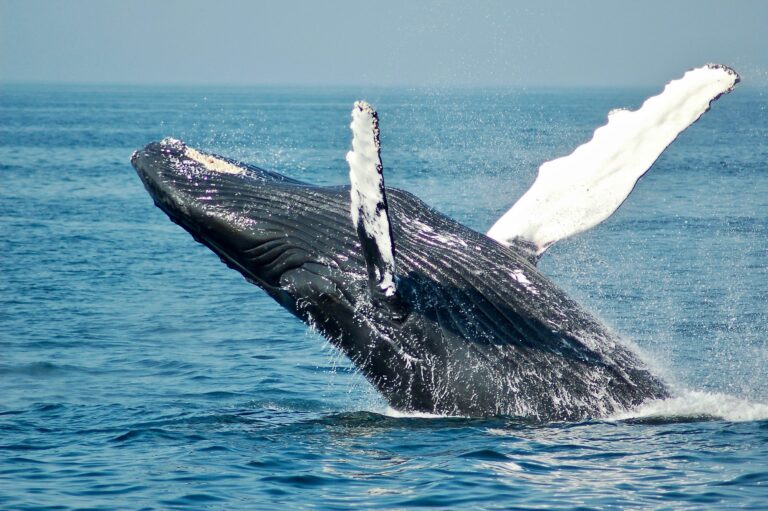
The North Atlantic right whale has been listed as endangered under the United States Endangered Species Act since 1970. In November 2026 the North Atlantic Right Whale Consortium estimated about 382 individuals for 2025, down from a revised 389 the year before after several years of slow growth, and only about 70 of them are breeding females (IFAW). With numbers that low the species cannot absorb steady losses.
Two human causes dominate right whale deaths: entanglement in fixed fishing rope and collisions with ships. Entanglement is the larger of the two. Since 2017 NOAA has recorded 48 right whale deaths or serious injuries from entanglement, against 18 from vessel strikes, and it estimates that over 85 percent of right whales have been entangled at least once.
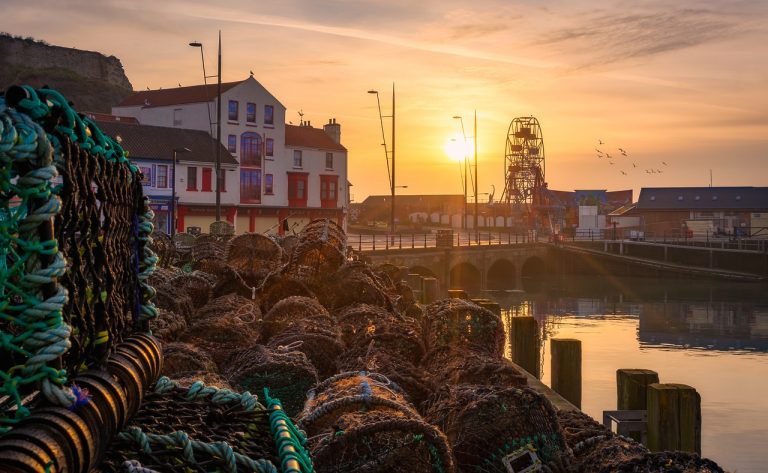
The lobster industry is tied to the rope. A lobster trap sits on the seabed and a vertical line runs up to a marker buoy. Multiply that by hundreds of thousands of traps and you get an enormous web of rope hanging through the water. A right whale that swims into a line can catch it on a flipper, the tail or in the mouth, and then drag the gear for months. The drag exhausts the whale, stops it feeding properly, and often kills it slowly. Entangled females frequently stop breeding because the energy cost is too high.
Maine pushed back hard
Maine lobster is the most valuable fishery in the United States by landed value, and the reaction was immediate. Governor Janet Mills and the state’s entire congressional delegation, senators Susan Collins and Angus King with representatives Chellie Pingree and Jared Golden, publicly demanded that Seafood Watch reverse the decision or produce the evidence behind it. King called the listing “absurd” and said the programme had “made a decision, which is a knife in the back of the lobster industry in Maine, with no evidence!”
The industry’s arguments were specific, and worth taking seriously:
- NOAA traced the rope on whale 5120 to Maine state-water trap or pot buoy line and found that chronic entanglement caused her death.
- Maine fishermen say they have removed an estimated 30,000 miles of line from the water.
- They have fitted weak links and moved to weaker rope, designed to break if a whale hits it.
- They agreed gear markings with NOAA so that rope found on a whale can be traced back to a fishery.
The dispute had real commercial bite. HelloFresh, the largest meal kit company operating in the United States, pledged within days to stop selling lobster, and Blue Apron confirmed its seafood follows Seafood Watch guidelines. Calls for boycotts followed on both sides.
Both things can be true
Seafood Watch and the lobstermen are not really arguing about whether right whales matter. They are arguing about evidence and timing. Seafood Watch takes a precautionary view: with so few whales left, the burden is on the fishery to show its gear is safe, and until then a red rating is justified. The industry takes an evidence first view: it should not be punished for entanglements no one can show it caused, especially after years of genuine reform.
Right whale deaths have also been linked to Canadian gear and to shipping strikes, not only to Maine rope. Singling out one fishery is part of why the decision felt unfair to the people it hit hardest.
What happened after
In December 2022 Maine’s delegation attached a rider to the federal spending bill that froze new right whale entanglement rules for the lobster and Jonah crab fisheries until the end of 2028, keeping the 2021 measures in place and funding work on new gear technology. That bought the industry six years of certainty. It did not remove any rope from the water.
So should you stop eating lobster?
You do not have to treat this as all or nothing. A few practical steps let a thoughtful buyer support both the whale and a responsible fishery:
- Ask where your lobster comes from and how it was caught. Traceability is the whole point of programmes like Seafood Watch.
- Support ropeless and on demand gear, where the line stays on the seabed until a crew releases it acoustically. It removes the vertical rope a whale gets caught in, and it needs funding to scale.
- Reduce demand for the riskiest gear, not for coastal fishing communities. The goal is fewer ropes in the water, not the collapse of small fishing towns.
- If you boat in New England waters, slow down in seasonal speed zones. Ship strikes are the second biggest killer of right whales.
The red listing was a blunt instrument, but it forced a real conversation. With fewer than 400 North Atlantic right whales left, the maths does not allow complacency, and the long term answer is almost certainly on demand gear rather than an end to lobster fishing. For the news angle on the legal side of this fight, see our related piece on the ban on lobster fishing in Maine.
Updated 14 September 2026: updated entanglement evidence and the Maine gear case.
Read next
- Whale Species: A Complete Guide to the Cetaceans of the World
- Ban on Lobster Fishing to Save Whales in Maine
- Ship Strikes: The Silent Killer of Large Whales
Updated 17 November 2026: updated the North Atlantic right whale population to the consortium’s 2025 estimate of 382, released on 16 November 2026.




With so few right whales left, every year matters.
I fish lobster in Maine. Boycotts won’t win people over. Better gear will.
Roddy, fair point. Ropeless gear looks like the practical answer.
Talked to my son about this. He gets the rope problem now.
Most lobster is caught in traps, not by trawling. Worth keeping in mind.